Why start a mobile proxy business?
A mobile proxy routes internet traffic through a real phone on a real mobile carrier, so the websites you visit see a genuine 4G/5G carrier IP address instead of a server. Because those IPs are shared by thousands of real subscribers, they're extremely hard to detect or block, which is exactly why businesses pay a premium for them.
That premium is the opportunity. A single Android phone with an unlimited data SIM can become a proxy you rent out month after month. Add more phones and you have inventory. The catch has always been the infrastructure, but as you'll see, that part is now solved for you.
You don't need to choose between building your own and reselling. Many operators run their own phones and resell ready-made proxies from a marketplace to fill demand while their fleet grows.
What you'll need
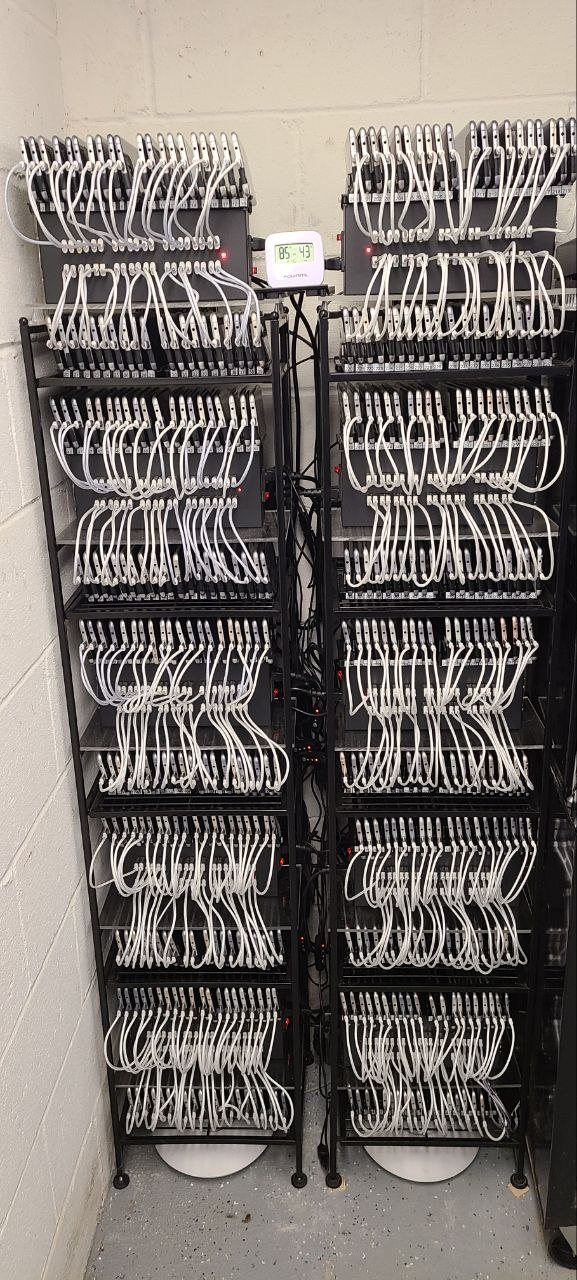
- One or more Android phones: even older models work. Each phone becomes one sellable mobile proxy.
- A SIM card with a data plan for each phone, ideally unlimited data on a carrier with good coverage where your customers need IPs.
- A reliable place to keep the phones powered, online, and on WiFi or cellular (a shelf, a phone farm rack, or a spare room).
- Proxy management software to turn each phone into a sellable proxy and handle customers, billing, and rotation.
The 5 steps to launch
Get your phones and SIM cards
Every mobile proxy is backed by a real phone on a real carrier. Start with one or two Android phones and a data SIM in each. Unlimited data plans matter: proxy traffic adds up fast, and a throttled or capped SIM will frustrate customers. Pick the carrier whose IPs your customers want, for example a US carrier if you're selling US mobile proxies.
Choose your software (and skip the servers)
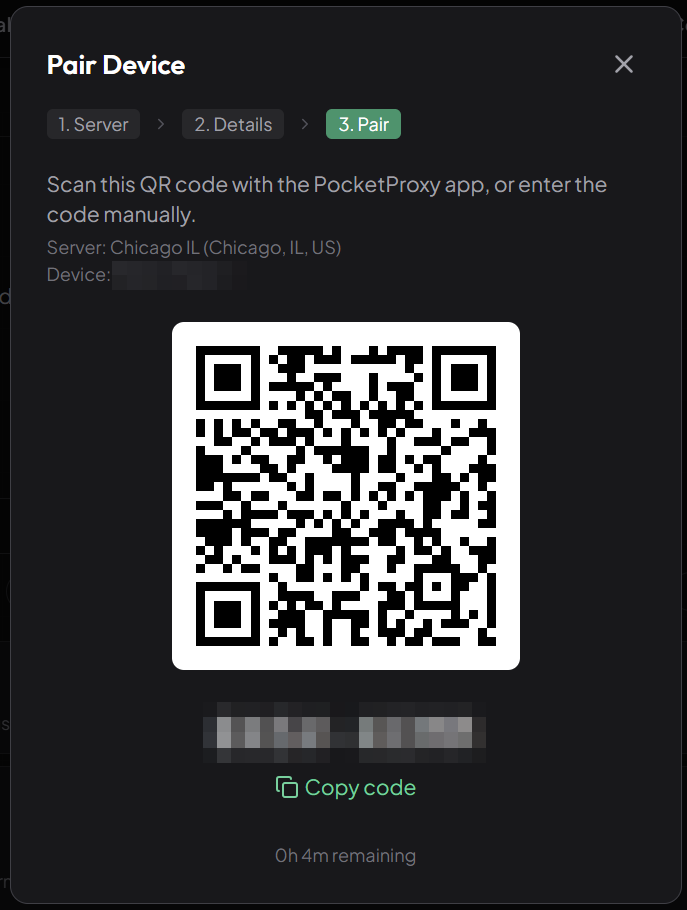
This is the part that stops most people. A mobile proxy needs tunnels, NAT, routing, IP rotation, authentication, bandwidth metering, and a customer dashboard. You can build all of that yourself on a VPS, or use a managed platform like PocketProxy that runs the infrastructure for you. With a managed platform you install an app, pair the phone with a QR code, and the proxy goes live in under a minute. No VPS, no networking setup.
Set up rotation and protocols
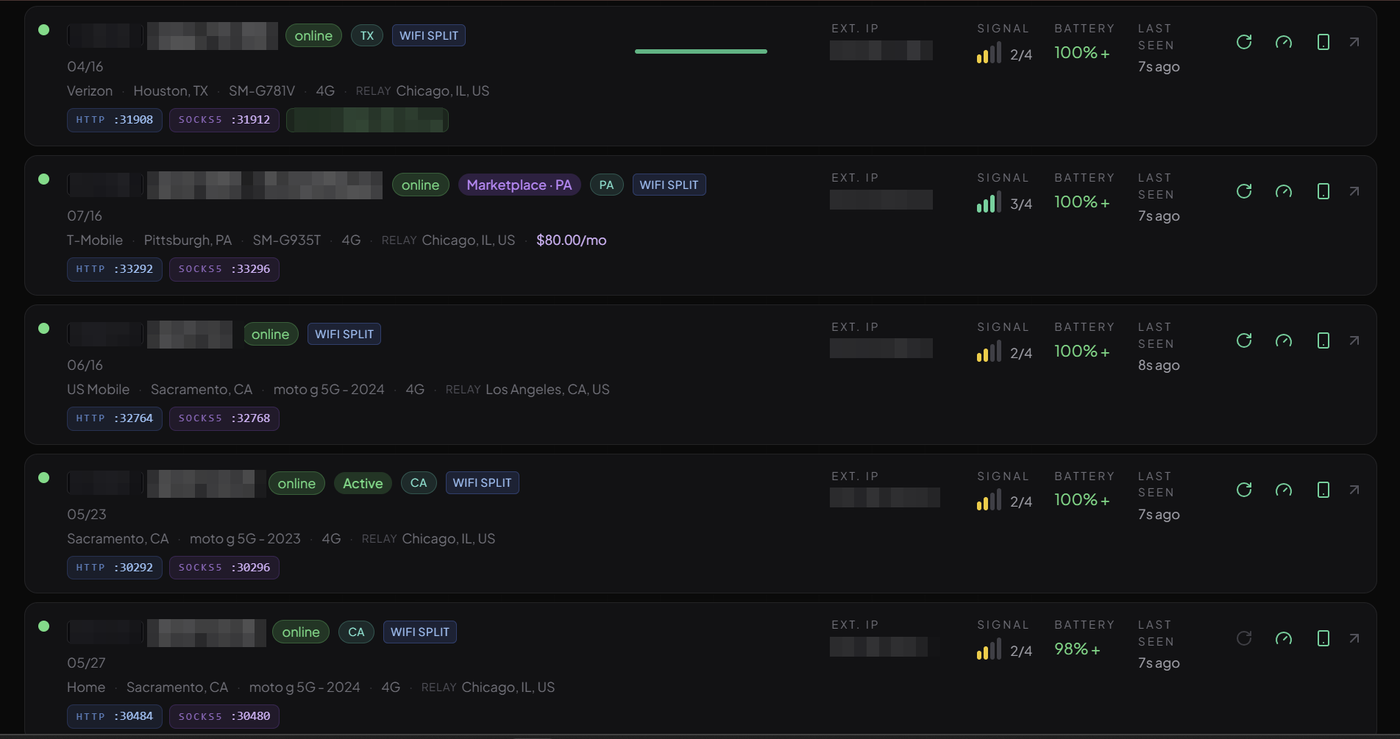
Customers expect to rotate to a fresh carrier IP on demand or on a schedule, and to connect over the protocol their tools use, usually HTTP or SOCKS5, sometimes OpenVPN. Make sure each proxy exposes all three and that rotation is fast, seconds rather than minutes. On PocketProxy that's automatic per device, so you don't configure it by hand.
Find your first customers
Mobile proxies are bought by people running social media automation, ad verification, sneaker and ticket buying, market research, SEO tools, and app testing. Reach them where they already are: niche forums, marketplaces, Discord and Telegram communities, and resellers who need stock. You don't need hundreds of customers, a handful paying monthly for dedicated proxies is a real business.
Price, bill, and grow
Dedicated mobile proxies typically sell for far more than the cost of the SIM and phone, which is where your margin lives. Decide whether you sell dedicated proxies (one phone per customer) or shared access, set monthly pricing, and let the platform handle plans, expiry, and bandwidth caps. As demand grows, add phones, each new device is another unit of inventory you can sell.
Costs and margins
Your recurring costs are simple: the data SIM for each phone, and the platform you use to run the proxies. The phone itself is a one-time purchase that keeps earning. Because dedicated mobile proxies rent for well above the cost of a SIM, each phone you add improves your margin, and a managed platform means you're not also paying for servers, bandwidth overage on a VPS, or the engineering time to keep it all running.
We break down the real numbers in How Much Do Mobile Proxy Operators Make? and compare owning hardware against reselling in Build vs Resell. And once your phones are live, set up Owner Mode so you can reboot a stuck device remotely and keep it earning.
If you're weighing platforms rather than starting cold, the choice comes down to where the software runs rather than to the feature list. We compare the options against iProxy and against the USB tethered approach in XProxy alternatives, including the cases where switching changes nothing.
Frequently asked questions
How much does it cost to start a mobile proxy business?
The main costs are the phones and the SIM data plans. You can start with a single Android phone and one unlimited data SIM, then reinvest revenue into more devices. Using a managed platform means you avoid the cost and complexity of running your own servers.
Do I need to be technical to run mobile proxies?
Not with a managed platform. The hard parts are handled for you: tunneling, NAT, routing, rotation, authentication, and billing. You install an app on the phone, scan a QR code to pair it, and the proxy is live. The main work becomes sourcing phones and finding customers.
What makes mobile proxies more valuable than datacenter proxies?
Mobile proxies use real IP addresses assigned by mobile carriers, shared by many real subscribers behind carrier-grade NAT. That makes them very hard for websites to detect or block, so they command higher prices than datacenter proxies and many residential proxies.
Can I resell proxies instead of supplying my own phones?
Yes. Alongside running your own phones, you can resell ready-made proxies from a marketplace, so you can fill customer demand even before your own fleet is large enough. Many operators do both.
How fast can I get a proxy online?
With PocketProxy, pairing a phone takes under a minute: install the app, scan a QR code, and the device appears in your dashboard with HTTP, SOCKS5, and OpenVPN access ready to assign to a customer.
Launch your first proxy this week
Create a free account, pair an Android phone in under a minute, and start selling access on real carrier IPs, no servers to run.